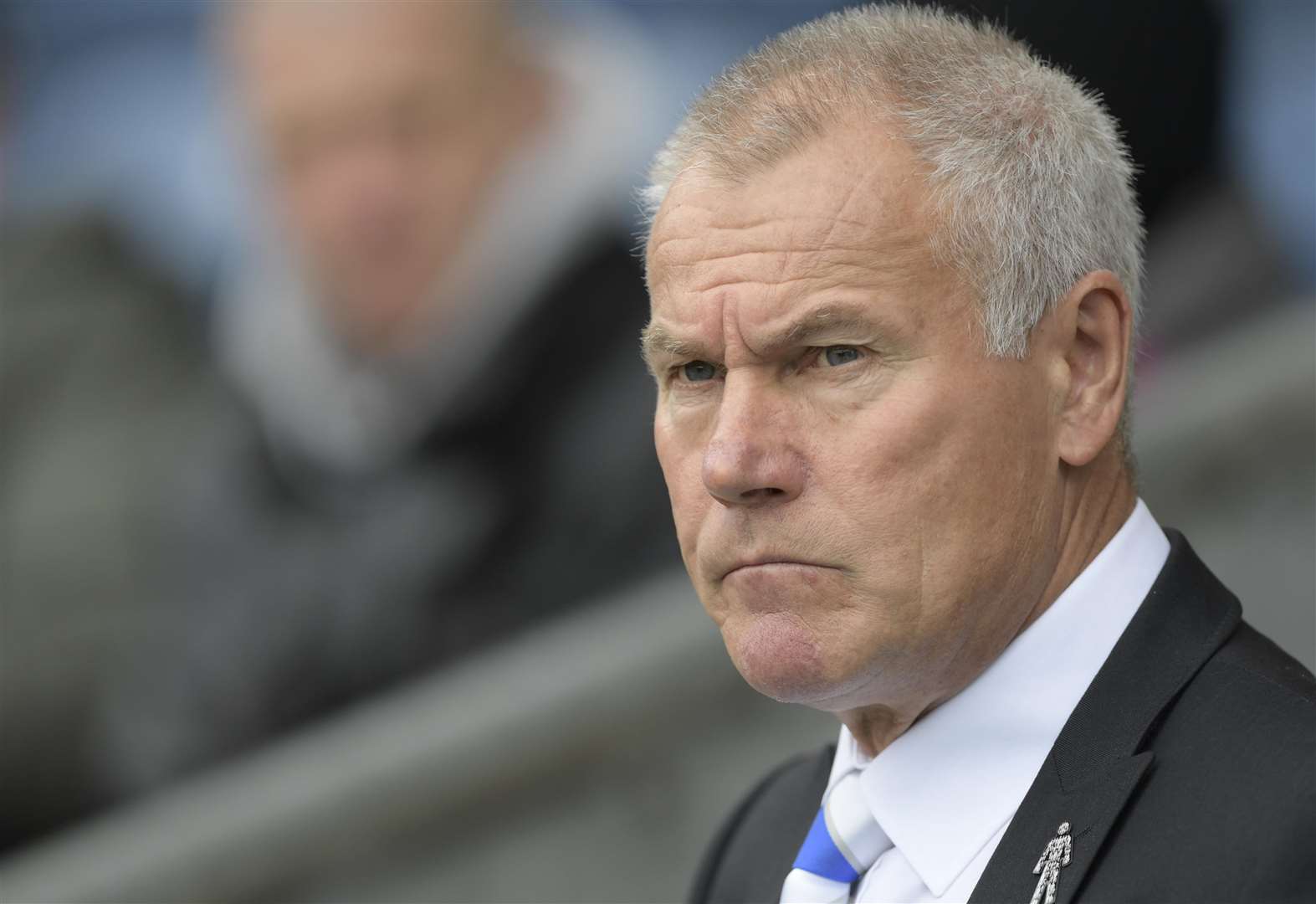
From Peter Taylor's Exit to Ben Strevens' Sacking: A Cycle of Instability for the Daggers
Dagenham & Redbridge, affectionately known as the Daggers, have become a club synonymous with a revolving door in the managerial hot seat. From the seasoned veteran Peter Taylor to the former player Ben Strevens, the story of the *Dagenham Redbridge manager* position in recent years is one of high hopes, challenging realities, and ultimately, premature departures. This article delves into the tenures of two recent bosses – Peter Taylor and Ben Strevens – examining the circumstances of their exits and exploring the broader context of managerial turmoil that has plagued the East London club, shedding light on the immense pressures facing clubs in the National League.
The Peter Taylor Era: A Veteran's Struggle in East London
When Peter Taylor arrived at Dagenham & Redbridge in June 2018, he brought with him a CV that commanded respect. A managerial career spanning 26 years, including stints at Crystal Palace, Brighton, Leicester City (where he won a Premier League Manager of the Month award), and even two spells managing England Under-21s and a brief leadership of the senior national team (notably giving David Beckham his first England captaincy), suggested a steady hand was at the helm.
However, even a career as distinguished as Taylor's found the *Dagenham Redbridge manager* role a challenging proposition. His 18-month tenure saw the Daggers navigate the often unforgiving waters of the National League. In his first season, he guided them to an 18th-place finish. The following season, after 28 games, the club found themselves in the exact same position, teetering precariously just two points above the relegation zone. The grim reality was a run of nine defeats in their last eleven games, signalling a worrying slide.
Taylor's final game was a 3-0 defeat at Bromley, a result that proved to be the last straw. On his departure, coaches Terry Harris and Jody Brown were tasked with steering the ship temporarily. Taylor’s struggles highlight a crucial aspect of lower league football: the vast experience gathered at higher levels doesn't always translate directly to success in the National League. Resource limitations, a different player mentality, and the sheer competitiveness of the division can often negate the advantages of a storied career. For any aspiring *Dagenham Redbridge manager*, understanding this unique landscape is paramount.
Ben Strevens' Tenure: A Blend of Cup Glory and League Frustration
Fast forward a few years, and another familiar face stepped into the breach: Ben Strevens. A former striker for the Daggers, Strevens took over in March 2023, following the sacking of his predecessor, Daryl McMahon. His appointment was met with cautious optimism, often the case when a former player returns to manage their old club.
Initially, Strevens offered a glimmer of hope. He successfully navigated the club to a respectable 10th-placed finish in the National League at the end of the 2022-23 season. However, the subsequent season saw the Daggers slip to 15th, and the 2023-24 campaign proved to be a difficult one for Strevens. Despite the club being five points clear of the relegation zone, his league record of just seven wins from 23 fixtures this term painted a worrying picture of inconsistency.
What made Strevens' sacking particularly poignant was the contrasting success in cup competitions. Under his guidance, Dagenham & Redbridge pulled off impressive FA Cup upsets, defeating Football League sides Crewe Alexandra and AFC Wimbledon. These victories set up a dream third-round tie against Championship side Millwall, offering a much-needed financial boost and a moment of glory for the fans. Yet, this cup heroicism couldn't mask the underlying league struggles, exacerbated by an early FA Trophy exit against Southern League Premier Division South side Chertsey Town.
The decision to sack Strevens after their Boxing Day defeat by Braintree Town underscored the club's priority: league stability. Assistant boss Lewis Young was appointed temporary manager, with the club immediately embarking on a search for Strevens' replacement. This scenario illustrates a common dilemma for football clubs: how long can cup success justify poor league form? For Dagenham, the answer was clear – not long enough. To thrive as a *Dagenham Redbridge manager*, it's not enough to deliver memorable cup runs; consistent league performance is the bedrock upon which long-term success is built.
A Deeper Dive into Daggers' Managerial Merry-Go-Round
The stories of Peter Taylor and Ben Strevens are not isolated incidents but rather symptomatic of a recurring theme at Dagenham & Redbridge. The club has experienced numerous managerial changes over the years, a cycle of hope, struggle, and eventual departure. This instability, while sometimes necessary, can have profound impacts on team cohesion, tactical consistency, and long-term planning. For more insights into the broader context of these changes, you might find our analysis in
Dagenham & Redbridge: Analyzing Recent Managerial Changes particularly relevant.
The club's history also features figures who have bucked this trend, albeit temporarily. One prominent example is John Still, whose return to the club for his third spell in December 2015 provides a stark contrast. Still, an iconic figure for the Daggers, had previously led them from the Conference to League One between 2004-2013. His reappointment after Wayne Burnett's sacking, which followed a dismal run of one win in 16 games, was a move rooted in familiarity and a hope that an old hand could steady the ship. Still's perspective on his return – "It's like putting on an old pair of slippers, they just fitted back in really" – speaks volumes about the deep connections managers can form with clubs, and the unique comfort that can sometimes arise from a third spell. For a deeper look into Still's impact, check out
John Still's Return: Can the Veteran Boss Revive Dagenham?.
The challenges of being a *Dagenham Redbridge manager* are multifaceted. The National League is an intensely competitive division, often described as the toughest to get out of. Clubs operate with varying budgets, and Dagenham, while having a loyal fanbase and rich history, has faced its share of financial constraints. This necessitates a manager who is not only tactically astute but also an excellent recruiter, capable of unearthing talent and building a competitive squad within a limited budget. Moreover, they need to be resilient, able to handle the pressure of constant scrutiny and the inevitable dips in form that characterize lower league football. The constant turnover of players and staff due to financial realities also makes long-term team building a significant hurdle.
The Road Ahead: Navigating the National League Minefield
As Dagenham & Redbridge continues its search for the next permanent *Dagenham Redbridge manager*, several critical factors will undoubtedly be at play. The club needs a leader who can instil stability, develop a clear playing philosophy, and crucially, maintain consistent league form. While cup runs are exciting and financially beneficial, the core objective for a club of Dagenham's stature must be to secure their National League status and aspire for promotion.
What makes a truly successful *Dagenham Redbridge manager*?
- Tactical Flexibility: The National League demands adaptability, with diverse playing styles and conditions.
- Recruitment Prowess: The ability to identify undervalued talent and build a cohesive squad on a budget is essential.
- Player Development: Nurturing young talent can provide both on-field success and future financial gain.
- Communication Skills: Effective communication with players, staff, and the board is vital for unity and shared vision.
- Resilience: The pressure is constant, and the ability to bounce back from setbacks is crucial.
The club's chairman and board will need to weigh experience against fresh ideas, and a connection to the club's past against a vision for its future. The aim should be to break the cycle of short-term appointments and cultivate an environment where a manager can build something sustainable.
In conclusion, the journey from Peter Taylor's high-profile, yet ultimately brief, tenure to Ben Strevens' departure despite cup heroics highlights the inherent difficulties of the *Dagenham Redbridge manager* role. It's a position that demands not just footballing acumen but also a deep understanding of non-league realities, an ability to forge consistency from instability, and an unwavering resilience. The Daggers' faithful will be hoping that their next appointment can finally bring the stability and sustained success that their club truly deserves, turning the page on this era of managerial turmoil.